A refined, clean, and balanced cup with rich chocolate and panela sweetness, complemented by vibrant citrus, delicate florals, and an elegant lemon tea finish. Shade-grown coffee, surrounded by a variety of trees such as oranges, avocados, guamas, banana trees, Paterna trees, Cacao trees, and other trees that naturally grow alongside the coffee. We believe a coffee farm should be more than just rows of coffee plants. It should be a living ecosystem.

The fruit and leaves that fall from these trees eventually return to the soil, adding organic matter and helping recycle nutrients back into the farm. The different plants also create a better environment for insects, birds, and other wildlife. Birds can feed on the fruits and insects around the farm, and their natural activity and waste become part of that same cycle, returning nutrients to the soil. The shade from the trees also helps protect the coffee plants and soil from excessive heat, while the tree cover can help reduce erosion and improve moisture retention. Research on coffee agroforestry systems has found that diverse shade systems can support soil organic matter, microbial activity, nutrient cycling, and biodiversity. For us, this is part of taking care of the farm. We don't just want healthy coffee trees, we want healthy soil, healthy surrounding trees, and an environment where everything works together. When the soil is cared for, the coffee reflects the love back with unique and pleasant flavors in our coffees.

Harvest season runs from November through February. We hand-pick the coffee cherries and select them one by one, making sure we only pick the cherries that are fully ripe. This extra work makes a difference in the cup, giving the coffee a smoother and more balanced flavor.  Once the beans are clean, we spread them out to dry naturally under the sun. We don't rush this part; depending on the weather, the coffee usually takes about a week or two to dry. The goal is to let the beans dry naturally, slowly, and evenly while protecting the natural characteristics and identity of the coffee.

Once the coffee has reached the right moisture level, we remove the parchment shell that protects the green coffee bean. When the beans are graded, all broken, undersized, and defective beans are removed, leaving us with a more uniform and consistent coffee. That consistency is important when we roast. Having beans that are similar in size and quality allows us to roast them more evenly and bring out the characteristics we worked to preserve from the farm. There are a lot of hands behind every bag of coffee. From caring for the trees to picking each cherry, processing, drying, sorting, and finally roasting. We stay involved throughout the entire process.

For us, coffee is not just a product. It is something we grew up around, and have worked with our whole life!

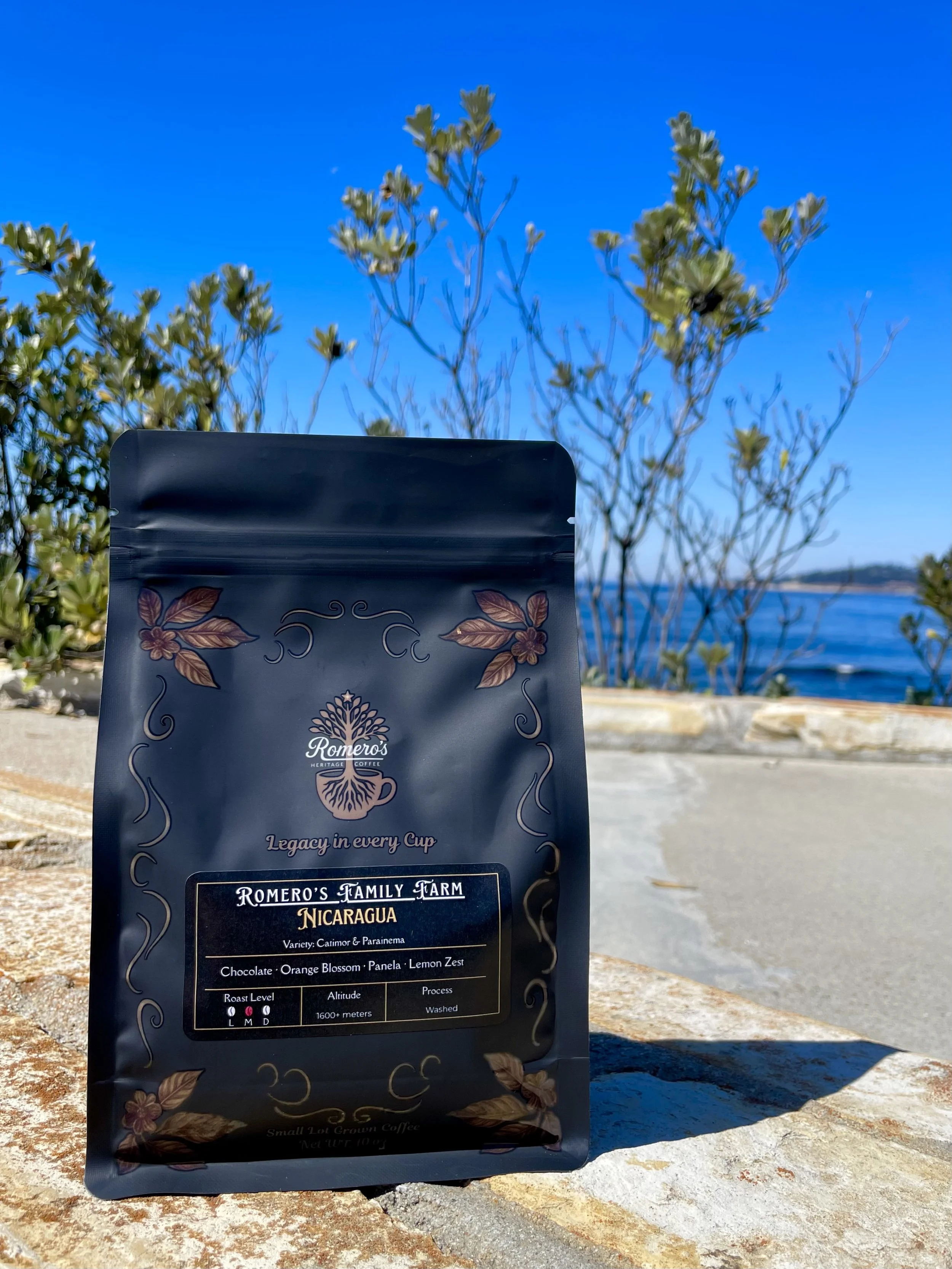 Image 1 of 2
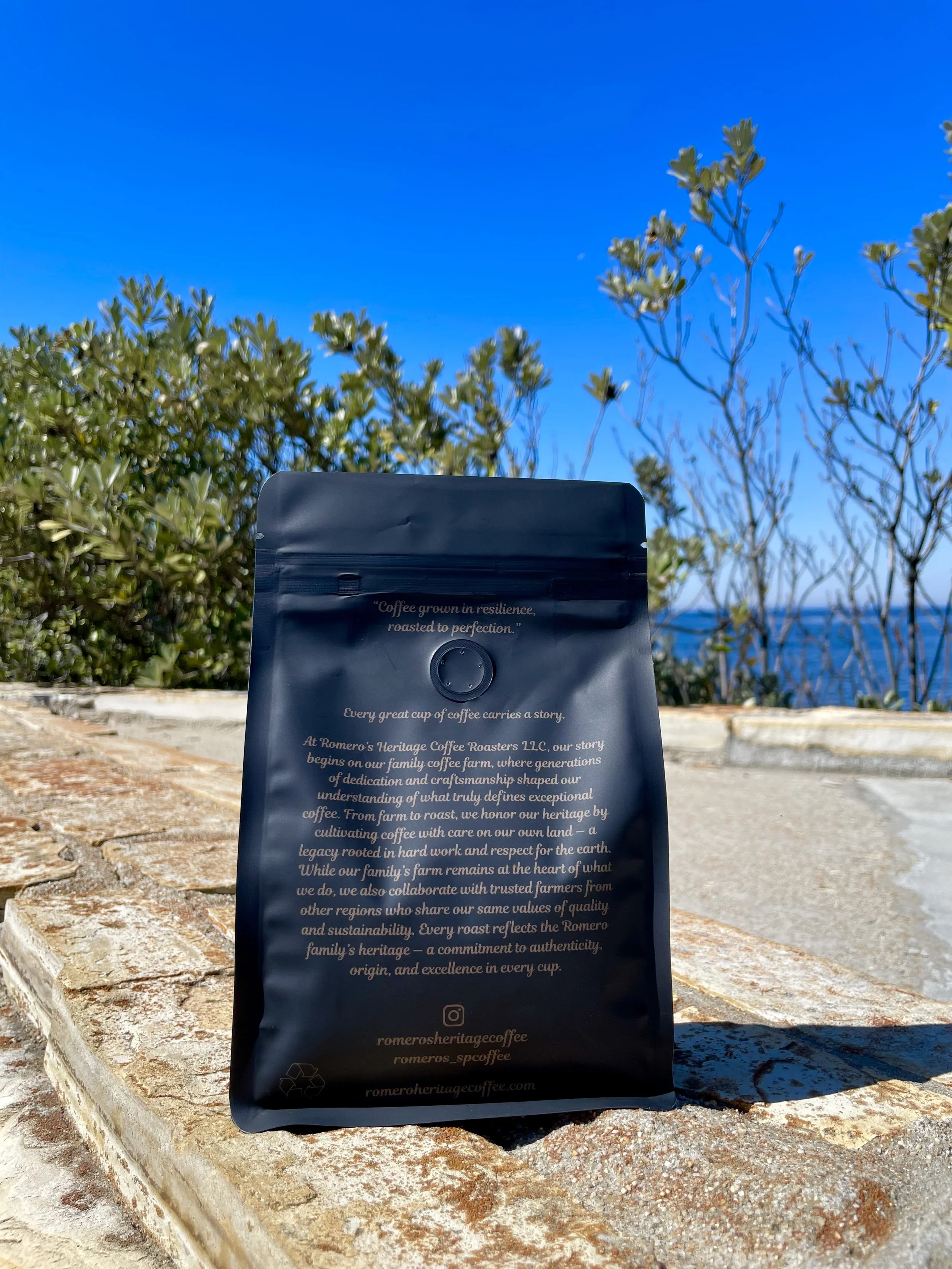 Image 2 of 2